CEPSAF
Centre for Peace & Security Afghanistan – CEPSAF: Greater Middle Eastern Research and Analysis
-
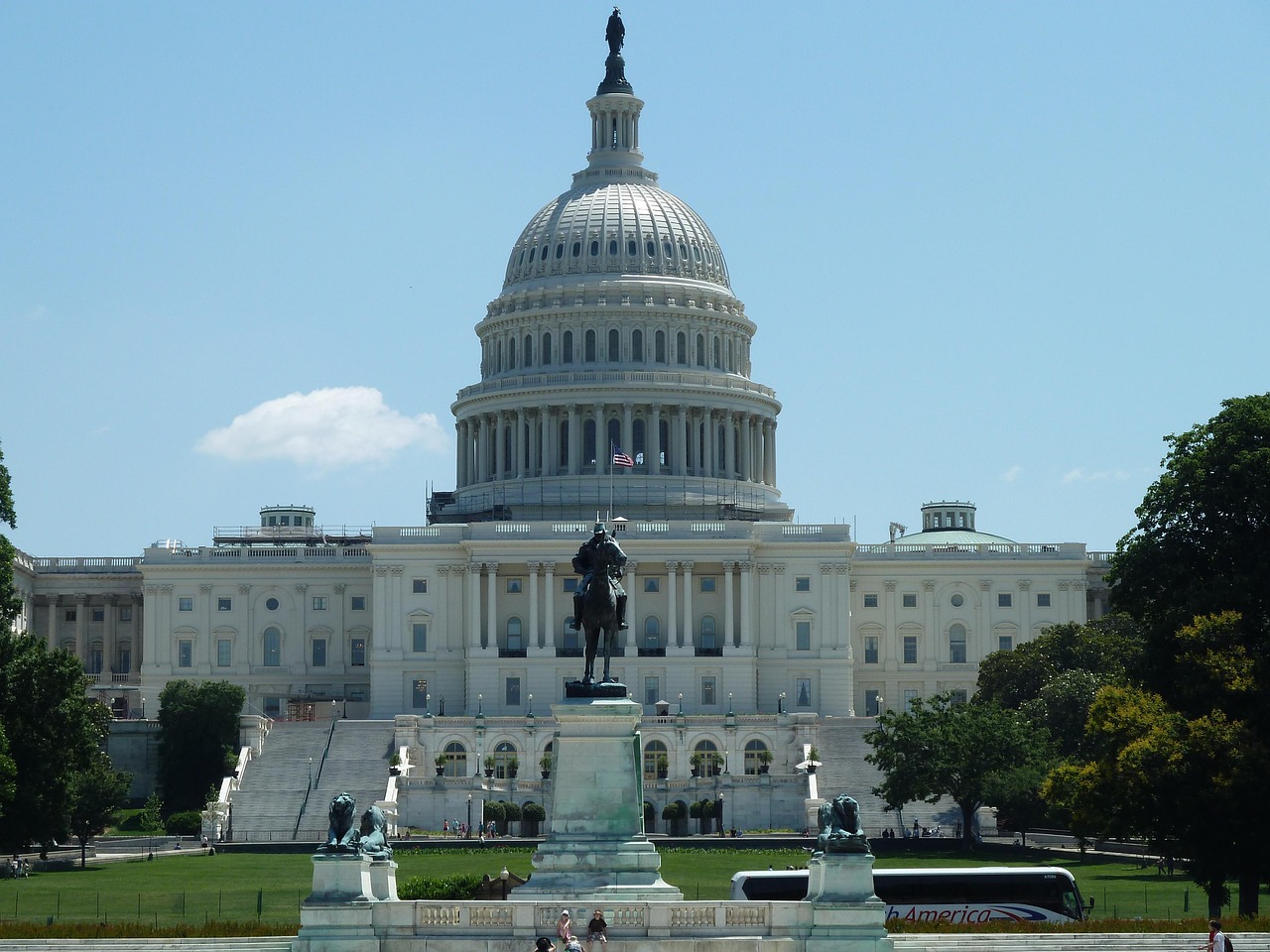
After Evaluations, Bush Shifts Afghanistan ‘CT’ Strategy to COIN
•
By Dr Sharifullah Dorani* ‘Afghanistan ‘is slipping toward failure. The Taliban is back, violence is up, drug production is booming and the Afghans are losing faith in their government. All the legs of strategy ─ security, counternarcotics efforts, reconstruction and governance ─ have gone wobbly. If we should have had a surge anywhere, it…
-
Why President Bush’s Light Footprint Strategy Failed in Afghanistan
•
By Dr Sharifullah Dorani* ‘If some later contended that we never had a plan for full-fledged nation building or that we under-resource such a plan, they were certainly correct. We didn’t go there to try to bring prosperity to every corner of Afghanistan. I believe…that such a goal would have amounted to a fool’s…
-
The Role of NATO in America’s Afghanistan War
•
By Dr Sharifullah Dorani* Introduction After ‘liberating Afghanistan’, the George W Bush Administration assumed that ‘the coalition of the willing’, and later North Atlantic Treaty Organization (NATO), would shoulder responsibility[1] for the post-Taliban Afghanistan, as the US military role was assumed to win wars, not engage in peacekeeping, policing or building nations. This article…
-
Bush vs Obama: Decision-Making Styles and Groupthink
•
By Dr Sharifullah Dorani* Introduction In the aftermath of the 9/11 terrorist attacks, the United States embarked on a ‘Global War on Terror’ (GWOT) that would define a new era of American foreign policy. This period offers a compelling case study in presidential decision-making and its impact on international affairs. While both Presidents George…
-
Bureaucratic Politics and Belief Systems in the Bush Administration
•
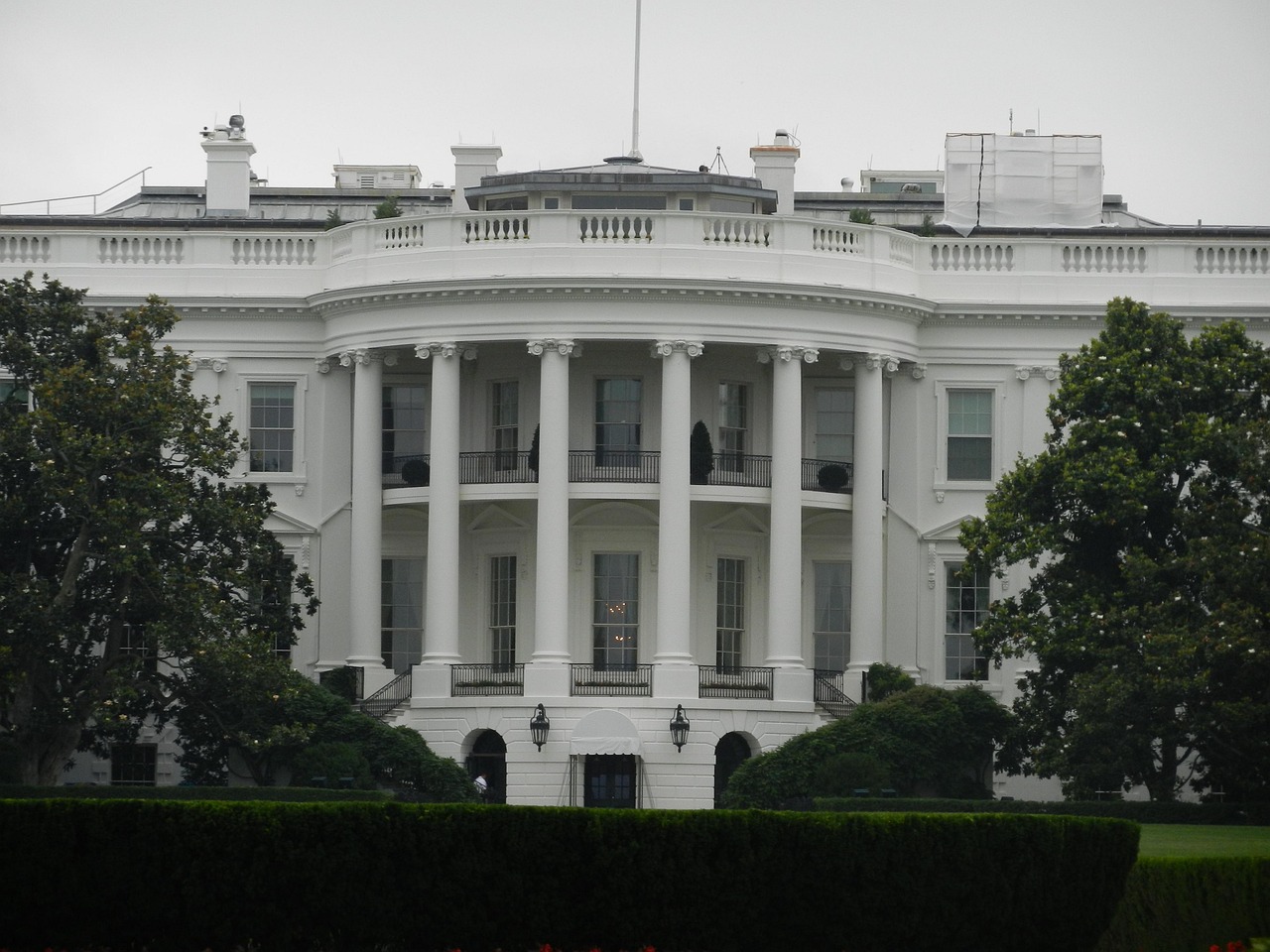
By Dr Sharifullah Dorani* Introduction The presidential candidate, George W. Bush, in 2000, was not someone who knew about the outside world, nor did he seem to be interested in it. He had barely travelled outside America, did not read about other countries, and knew no foreign leaders. During his election campaign, he did…
-
The Policy Assumptions Behind Bush’s War on Terror
•
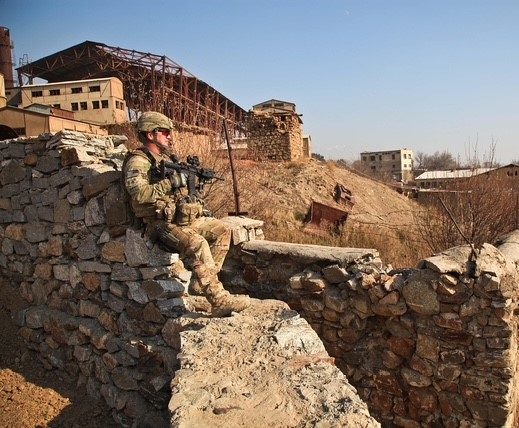
By Dr Sharifullah Dorani* ‘[T]he nature of the response [to 9/11] was also shaped by some deeply embedded assumptions and beliefs within the administration about foreign policy and the appropriate role of the military.’[1] Introduction The September 11, 2001, terrorist attacks prompted the George W Bush administration to initiate the Global War on Terror…
-
How the 2002 NSC Defined America’s Afghan Strategy
•
By Dr Sharifullah Dorani* Introduction After the Taliban was defeated and al Qaeda was on the run, the National Security Council (NSC) of the George W Bush Administration held a meeting in February 2002 in the White House Situation Room to discuss their Afghan strategy. The meeting resulted in the making of the counterterrorism…
-

Iraq War’s Impact on Afghanistan and Bush War Cabinet
•
By Dr Sharifullah Dorani* ‘I have a real concern that given our preoccupation in Iraq, we’ve not devoted sufficient troops and funding to Afghanistan to ensure success in that mission….Afghanistan has been the forgotten war.’ President George W Bush[1] Introduction As studied in my other article,[2] the Global War on Terror (GWOT), which the…
-
Bush’s Afghan Intervention: Who Decided What and Why
•
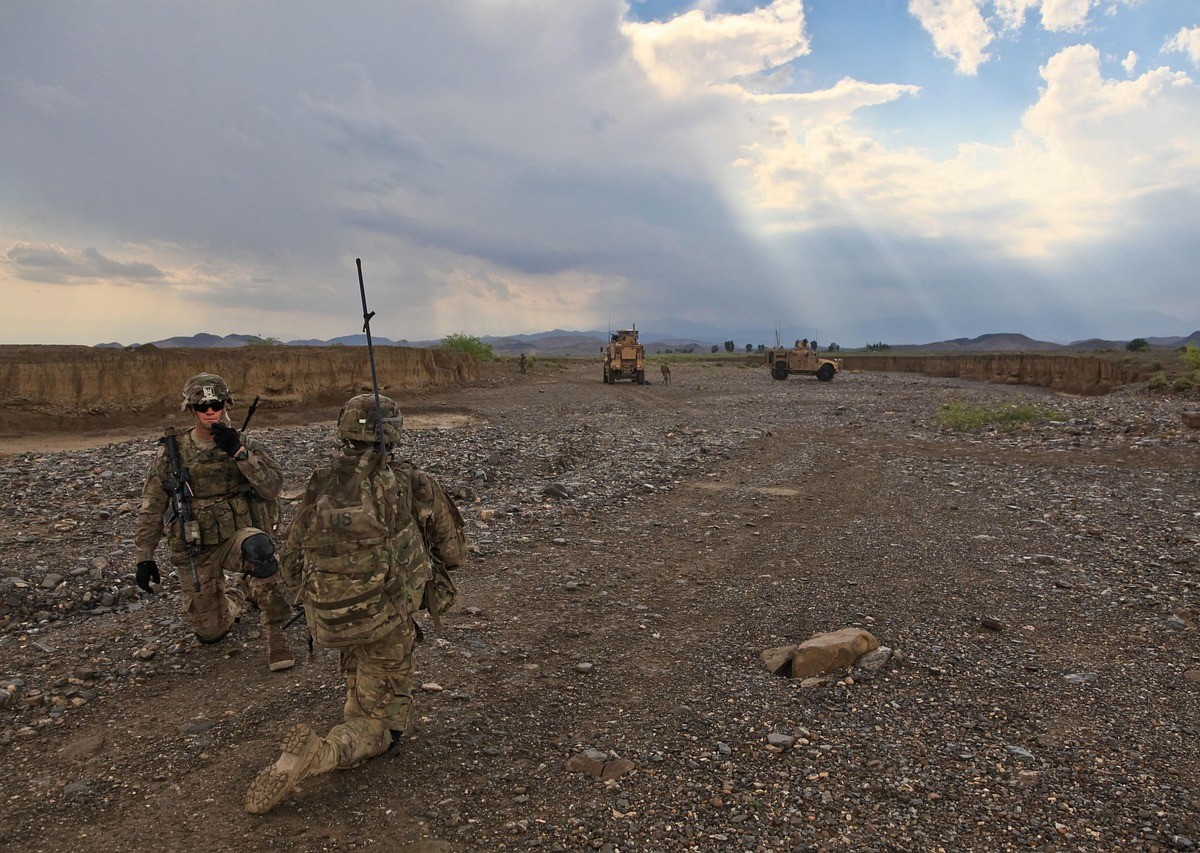
*By Dr Sharifullah Dorani Introduction This essay explains what the George W Bush Administration’s Global War on Terror (GWOT) Strategy in Afghanistan was ― a strategy that marked the decision to intervene in Afghanistan. It goes further to explain what factors influenced the decision. Domestic influences, personal characteristics of the policymakers and bureaucratic politics…
-
Bush at Camp David: Afghanistan Invasion Policymaking, Part II
•
By Dr Sharifullah Dorani* Introduction Although later decision-making in the George W Bush Administration was conducted in secrecy and without much deliberation, the decision to intervene in Afghanistan, which was part of the Global War on Terror (GWOT), to a certain extent, was deliberate and open. The National Security Council (NSC) held a number…