
C
-
Was Obama’s Afghanistan Strategy COIN, CT-Plus, or None
By Dr Sharifullah Dorani* ‘Depending on who you talked to, our mission in Afghanistan was either narrow (wiping out al-Qaeda) or broad (transforming the country into a modern, democratic state that would be aligned with the West)…my first priority was to make sure our agencies…were aligned around a clearly defined mission and a coordinated…
-
How Obama Made the 2009 Surge Decision in Afghanistan
By Dr Sharifullah Dorani* ‘It’s fair to say, then, that by the third or fourth go-around of Power-Points slides, battlefield maps, and balky video feeds, along with the ever-present fluorescent lighting, bad coffee, and stale air, everyone was sick of Afghanistan, sick of meetings, and sick of one another.’[1] President Obama on the decision-making…
-
President Obama’s Role in Afghan Foreign Policymaking
By Dr Sharifullah Dorani* ‘Did I not make myself clear about how I wanted time to evaluate McChrystal’s assessment? Or does your building just have a basic lack of respect for me?… Is it because I’m young and didn’t serve in the military? Is it because they [the military leaders] don’t like my politics…?’[1]…
-
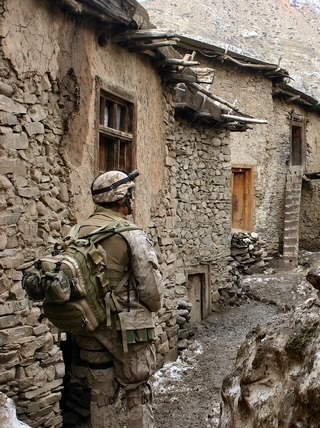
The Military’s Role in Obama’s Afghanistan Policymaking
By Dr Sharifullah Dorani* The role of the military in foreign policymaking in the Obama Administration Introduction The decision to escalate the war in Afghanistan under the Obama administration was the result of a highly contentious and intricate policymaking process. Within this process, a clear division emerged between five distinct groups: the Vice-President, the…
-
How Obama’s ‘Inner Circle’ Shaped Foreign Policy Decisions
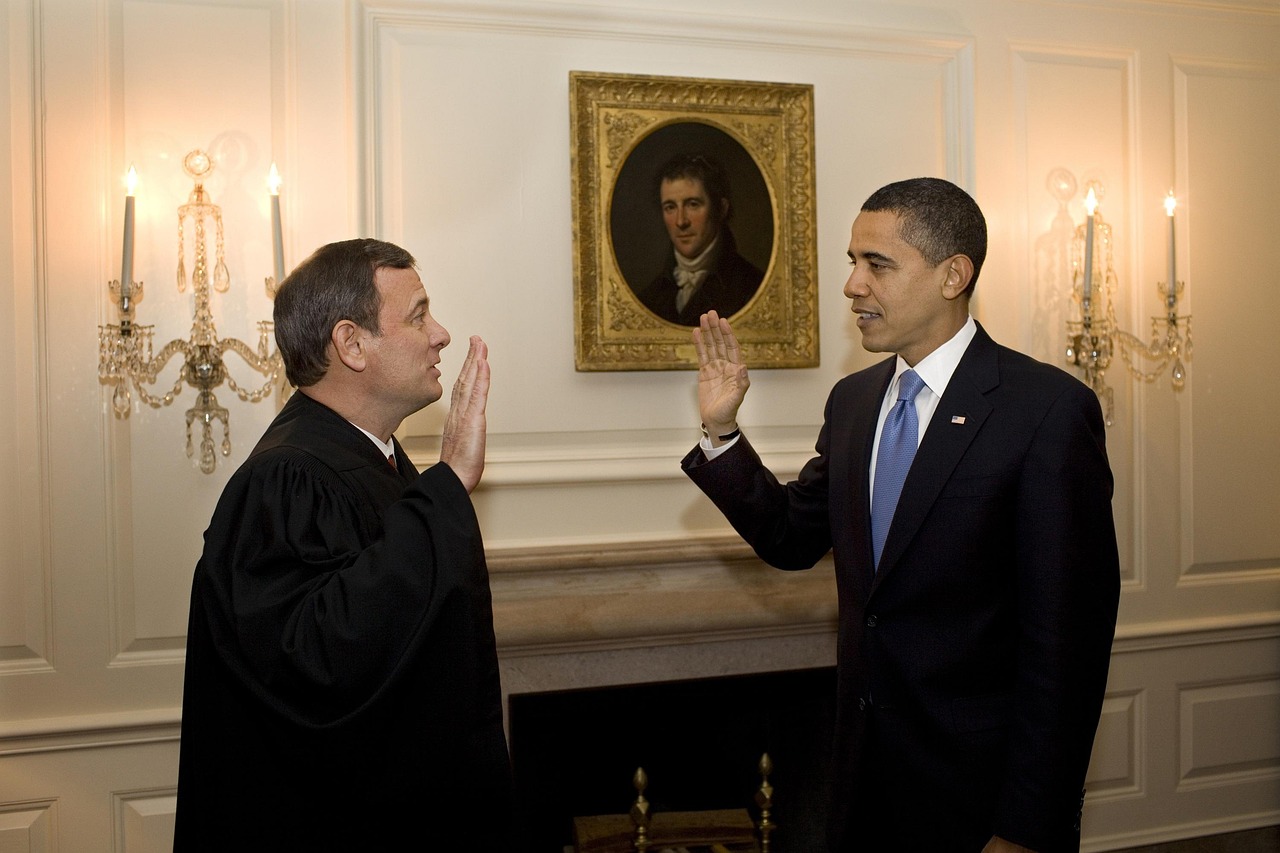
By Dr Sharifullah Dorani* ‘Tension between the White House staffers and the Pentagon got worse, with NSC staff feeling stonewalled when it came to getting information in a timely fashion and Gates quietly fuming over what he considered to be the NSC’s constant micromanagement. The bad blood even spilled over into relationships within departments.’…
-
Jones, Blair, and Holbrooke: Outsiders in Obama’s War Cabinet
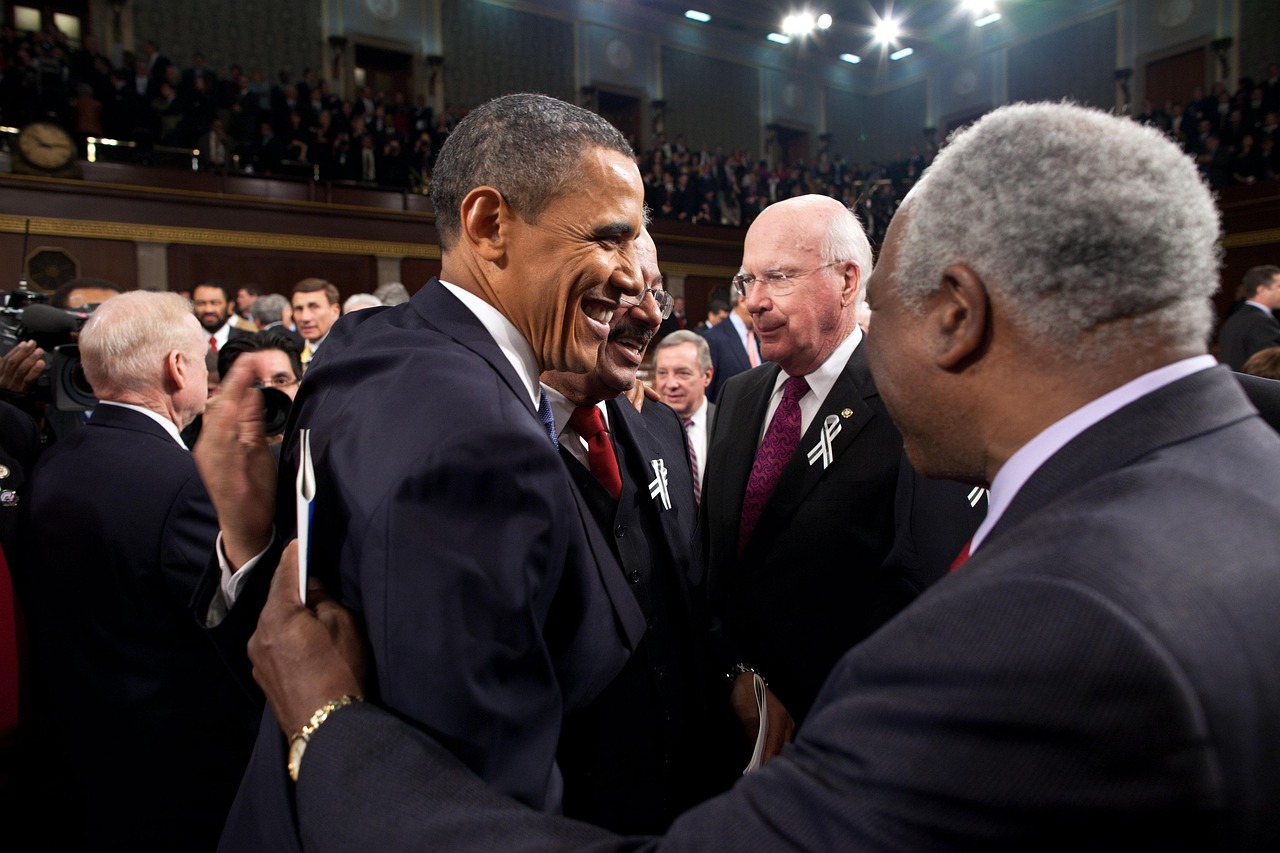
By Dr Sharifullah Dorani* Introduction President Barack Obama’s policymaking team for the decision to surge (and, in most cases, for the decision to withdraw) US troops in Afghanistan could be divided into five: the Vice-President, ‘the inner circle’, ‘the outsiders’, the General David Petraeus camp, and the President himself. Each, and its influence on…
-

Vice President Biden’s Role in Obama’s Afghanistan Policy
By Dr Sharifullah Dorani* The role of the Vice-President Biden in foreign policy in the Obama Administration ‘Listen to me, boss…Maybe I’ve been around this town for too long, but one thing I know when these generals are trying to box in a new president…Don’t let them jam you.’[1] Vice-President Biden to President Obama…
-
Conflicting Assumptions in Obama’s Afghanistan Strategy
By Dr Sharifullah Dorani* ‘After reading McChrystal’s sixty-six-page assessment, I shared Joe’s skepticism. As far as I could tell, there was no clear exit strategy; under McChrystal’s plan, it would take five to six years just to get U.S. troop numbers back down to what they were now. The costs were staggering, at least…
-
Military Counterarguments in Obama’s War Cabinet: Af-Pak Review
By Dr Sharifullah Dorani* ‘Mike Mullen, the Joint Chiefs, and David Petraeus all endorsed McChrystal’s COIN strategy in its entirety; anything less, they argued, was likely to fail and would signal a dangerous lack of American resolve to friends and foes alike. Hillary and Panetta quickly followed suit.’[1] President Obama Introduction In the complex…
-
The Biden Camp’s Opposition to the Afghanistan Surge
By Dr Sharifullah Dorani* ‘Joe and a sizable number of NSC staffers viewed McChrystal’s proposal as just the latest attempt by an unrestrained military to drag the country deeper into a futile, widely expensive nation-building exercise, when we could and should be narrowly focused on counterterrorism (CT) efforts against al-Qaeda.’[1] President Obama Introduction In…