CEPSAF
Centre for Peace & Security Afghanistan – CEPSAF: Greater Middle Eastern Research and Analysis
-
The Bureaucratic Politics Approach: Its Application, Its Limitations, and Its Strengths
•
Photo by Gu Bra on Pexels Author: Dr Sharifullah Dorani Published by CESRAN International Full Article Link This article introduces and evaluates the essence of decision-inspired Bureaucratic Politics Approach, tracing its evolution from the Vietnam War era and explaining its central claim: that foreign policy outcomes emerge not from a single rational actor but…
-

The Foreign Policy Decision-Making Approaches and Their Applications: Case Study: Bush, Obama and Trump’s Decision Making towards Afghanistan and the Region
•
Image by Gerd Altmann from Pixabay Title: The Foreign Policy Decision-Making Approaches and Their Applications: Case Study: Bush, Obama, and Trump’s Decision Making towards Afghanistan and the Region Published on: The Rest Journal of Politics and International Development, CESRAN InternationalLink: https://therestjournal.com/2019/07/31/the-foreign-policy-decision-making-approaches-and-their-applications In this article, I examine the long-standing tension between International Relations (IR) theories…
-
Why Karzai Clashed with the US and NATO and What It Meant
•
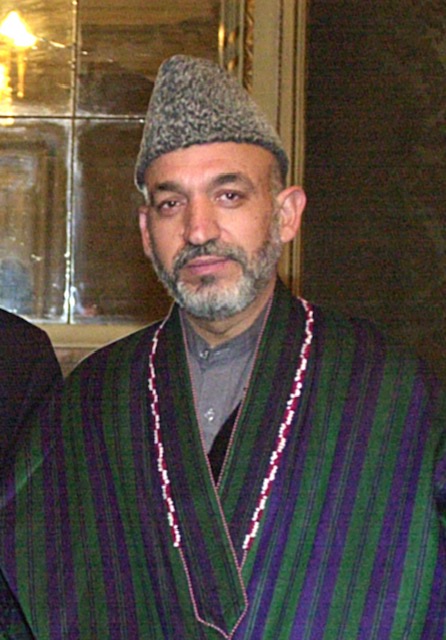
Photo Credit: Hamid Karzai portrait (2002) – Public domain (USAID/US federal government) By Dr Sharifullah Dorani* ‘After our assault on Kabul, the United States had brought Karzai and his advisors back and installed them in power―functional expatriates we hoped would serve as the Afghan face of a new, nonmilitant order…[T]hey did their best to…
-
Obama’s Exit from Afghanistan: What the ‘Responsible End’ Really Meant
•
By Dr Sharifullah Dorani* ‘I’d been impressed with Stan McChrystal’s leadership of coalition forces there: The additional troops I’d authorized had helped regain territory from the Taliban; the training of the Afghan army had ramped up; McChrystal had even convinced President Karzai to venture out beyond his palace and start engaging the population he…
-
The US Divided over the Afghanistan War: Pro- and Anti-War Narratives in the 2011 Withdrawal Debate
•
By Dr Sharifullah Dorani* Introduction This article deals with public debate over the Afghanistan War during the President Obama made the decision in 2011 to withdraw the 30000 surge troops from Afghanistan, deployed just two years prior. To do so, the contributions of the actors/area experts from Congress, the press, think-tanks and other influential…
-
What Obama’s Military, Civilian, and Diplomatic Surge Achieved in Afghanistan
•
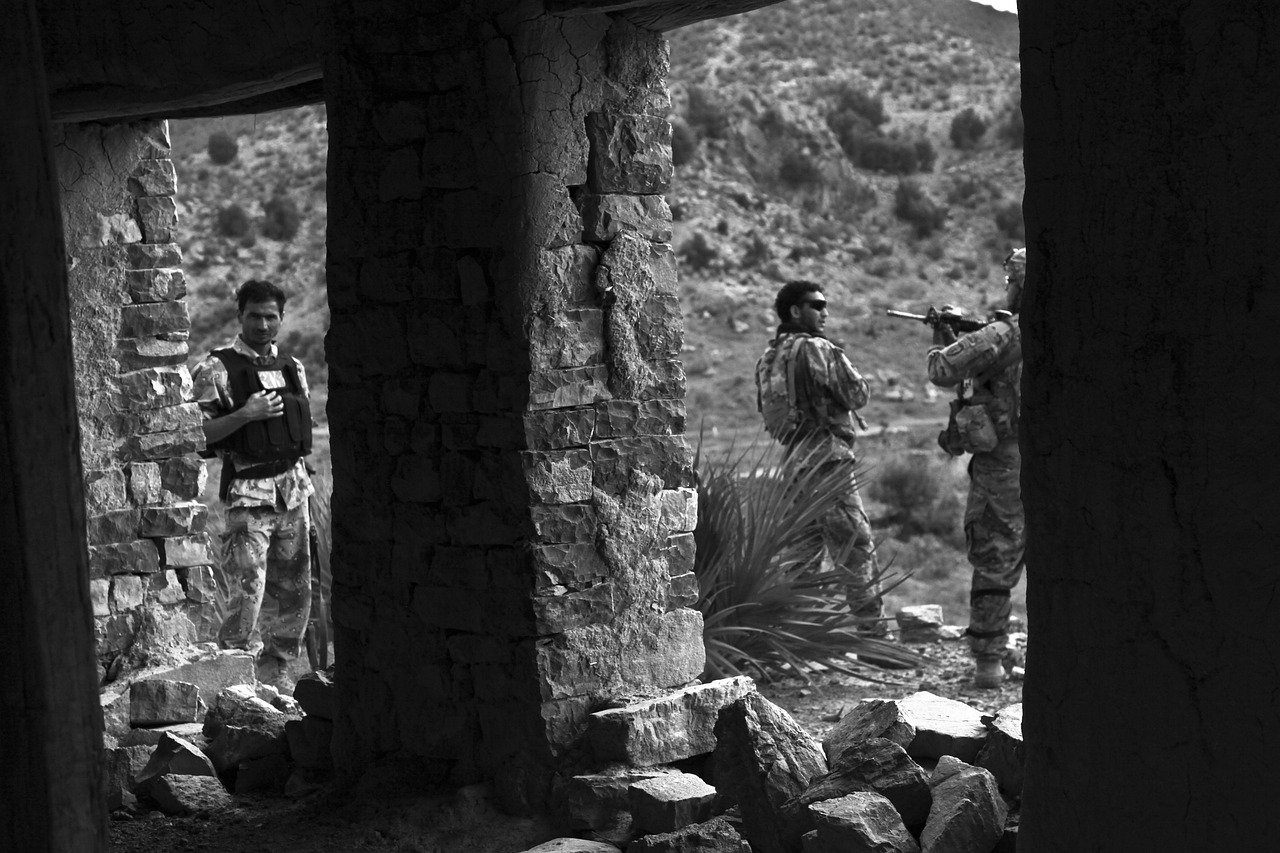
By Dr Sharifullah Dorani* The three-track strategy did not proceed as intended when it was implemented. The Afghan Government remained as corrupt as ever. Its leader, the Afghan President, disagreed with numerous components of the strategy and did not (or could not) fully cooperate. At local levels, in areas cleared by the military, the…
-
Why Obama Failed to Secure a Taliban Peace Deal and a Regional Settlement
•
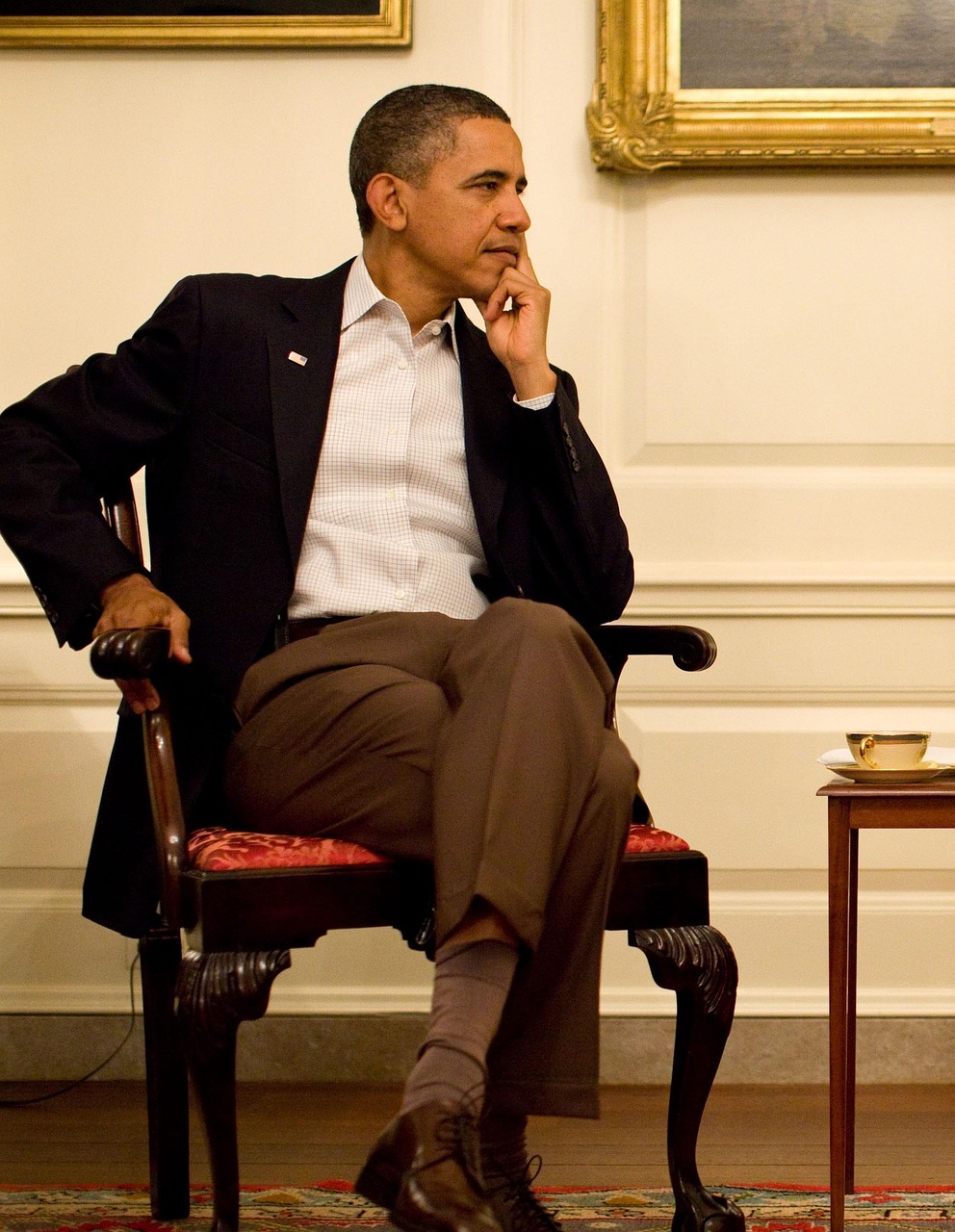
By Dr Sharifullah Dorani* ‘The Riedel report, though, made one thing clear: Unless Pakistan stopped sheltering the Taliban, our efforts at long-term stability in Afghanistan were bound to fail.’[1] President Obama Introduction In June 2011, President Barack Obama made the decision to withdraw the 30,000 US troops by the end of 2012, and the…
-
Obama’s Development Strategy in Afghanistan (2009–2011): Ambition vs Reality
•
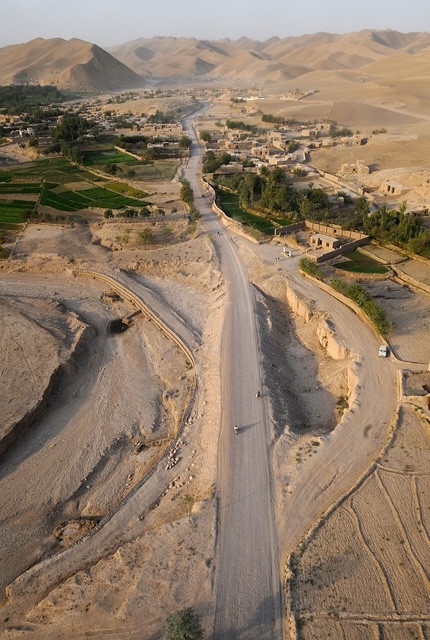
By Dr Sharifullah Dorani* Introduction In June, 2011, President Barack Obama made the decision to withdraw the 30,000 US troops by the end of 2012, and the rest by 2014. The decision, in effect, marked the beginning of the end of the US’s longest war, the Afghanistan War, highlighting a major turning point in…
-
Obama’s Civilian Surge and Afghanistan’s Governance Crisis
•
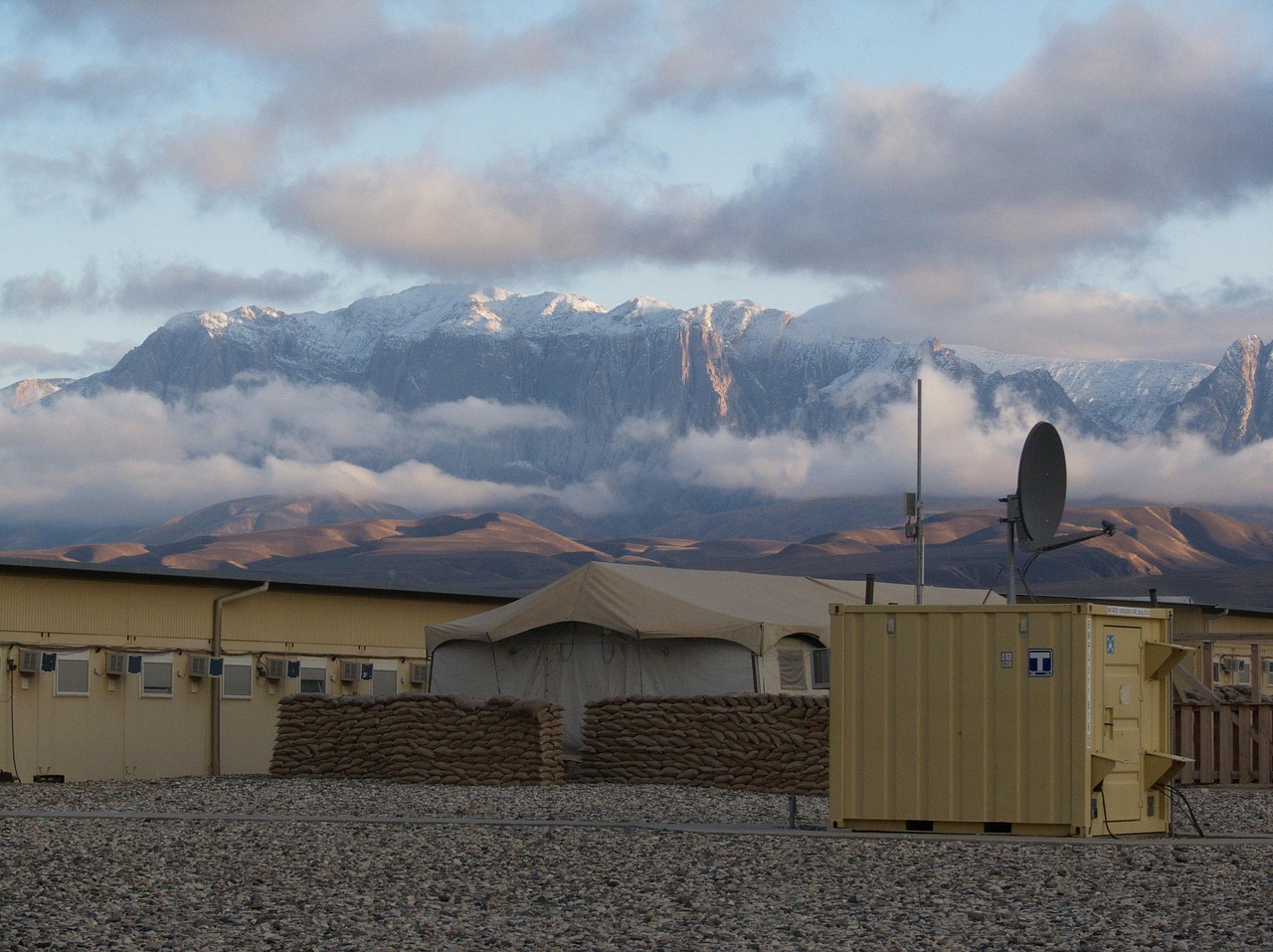
By Dr Sharifullah Dorani* ‘[M]assive U.S. contracts to some of Kabul’s shadiest business operators undermined the very anti-corruption efforts designed to win over the Afghan people.’[1] President Obama Introduction In June, 2011, President Barack Obama made the decision to withdraw the 30,000 US troops by the end of 2012, and the rest by 2014.…
-
An Analysis of Obama’s 2009 Military Surge in Afghanistan
•
By Dr Sharifullah Dorani* Introduction In June, 2011, President Barack Obama made the decision to withdraw the 30,000 US troops by the end of 2012, and the rest by 2014. The decision, in effect, marked the beginning of the end of the US’s longest war, the Afghanistan War, highlighting a major turning point in…