Author: Dr Sharifullah Dorani
Originally published by: CESRAN International
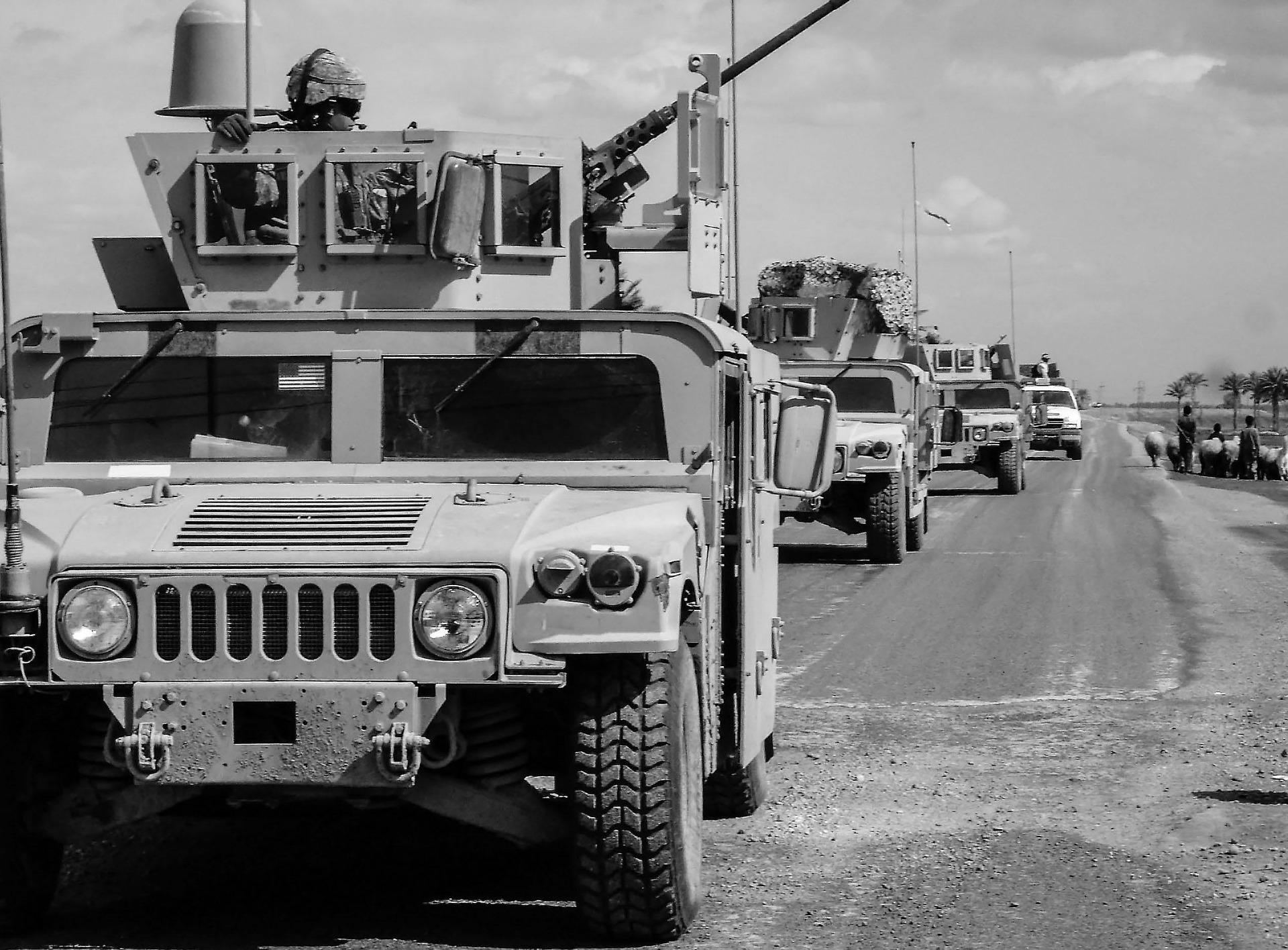
Photo credit: Mikecook1 / Pixabay
External Publication
This article was originally published by CESRAN International. A short summary is provided here for readers of this website.
Summary
This short essay explores the enduring relevance of the Groupthink Model for understanding how small-group dynamics shape foreign policy decisions. It begins with a concise introduction to Irving L. Janis’s framework, explaining how pressures for cohesion, fear of exclusion, and conformity can generate the ‘dysfunctional consequences’ that undermine careful deliberation. Situated within the wider field of Foreign Policy Analysis (FPA), the discussion highlights why groupthink remains one of the most influential models for analysing crisis-based decision-making.
The essay then applies the model to the contrasting decision-making styles of George W Bush and Barack Obama during the Afghanistan and Iraq Wars.
It demonstrates that Bush’s small-group process displayed classic symptoms of groupthink: overconfidence, limited debate, dismissal of dissenting views, and inadequate consideration of alternative strategies. These weaknesses – combined with insufficient knowledge of Afghanistan and Iraq – contributed to flawed strategic choices at the outset of the Global War on Terror.
In contrast, Obama consciously structured his decision-making to reduce the risks of groupthink, using lengthy review processes, open debate, and engagement with both internal and external experts. The essay concludes that the Groupthink Model remains a vital analytical tool within FPA for explaining why some foreign policy decisions succeed while others fail.
➡ Read the full article: The Groupthink Model: The Impact of Groupthink on Decision Making — Case Study: The Afghanistan and Iraq Wars