
C
-
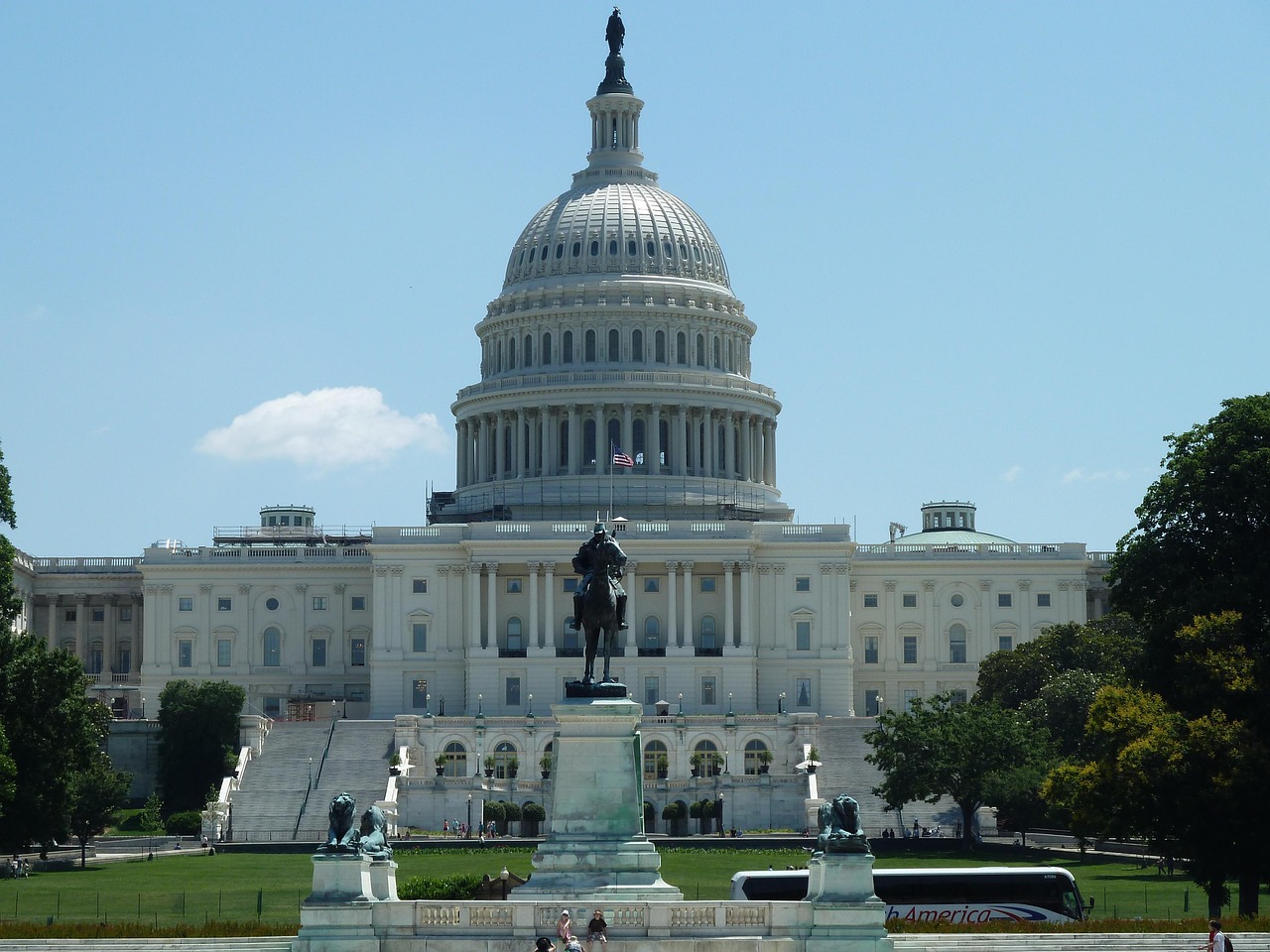
After Evaluations, Bush Shifts Afghanistan ‘CT’ Strategy to COIN
By Dr Sharifullah Dorani* ‘Afghanistan ‘is slipping toward failure. The Taliban is back, violence is up, drug production is booming and the Afghans are losing faith in their government. All the legs of strategy ─ security, counternarcotics efforts, reconstruction and governance ─ have gone wobbly. If we should have had a surge anywhere, it…
-
Bush vs Obama: Decision-Making Styles and Groupthink
By Dr Sharifullah Dorani* Introduction In the aftermath of the 9/11 terrorist attacks, the United States embarked on a ‘Global War on Terror’ (GWOT) that would define a new era of American foreign policy. This period offers a compelling case study in presidential decision-making and its impact on international affairs. While both Presidents George…
-
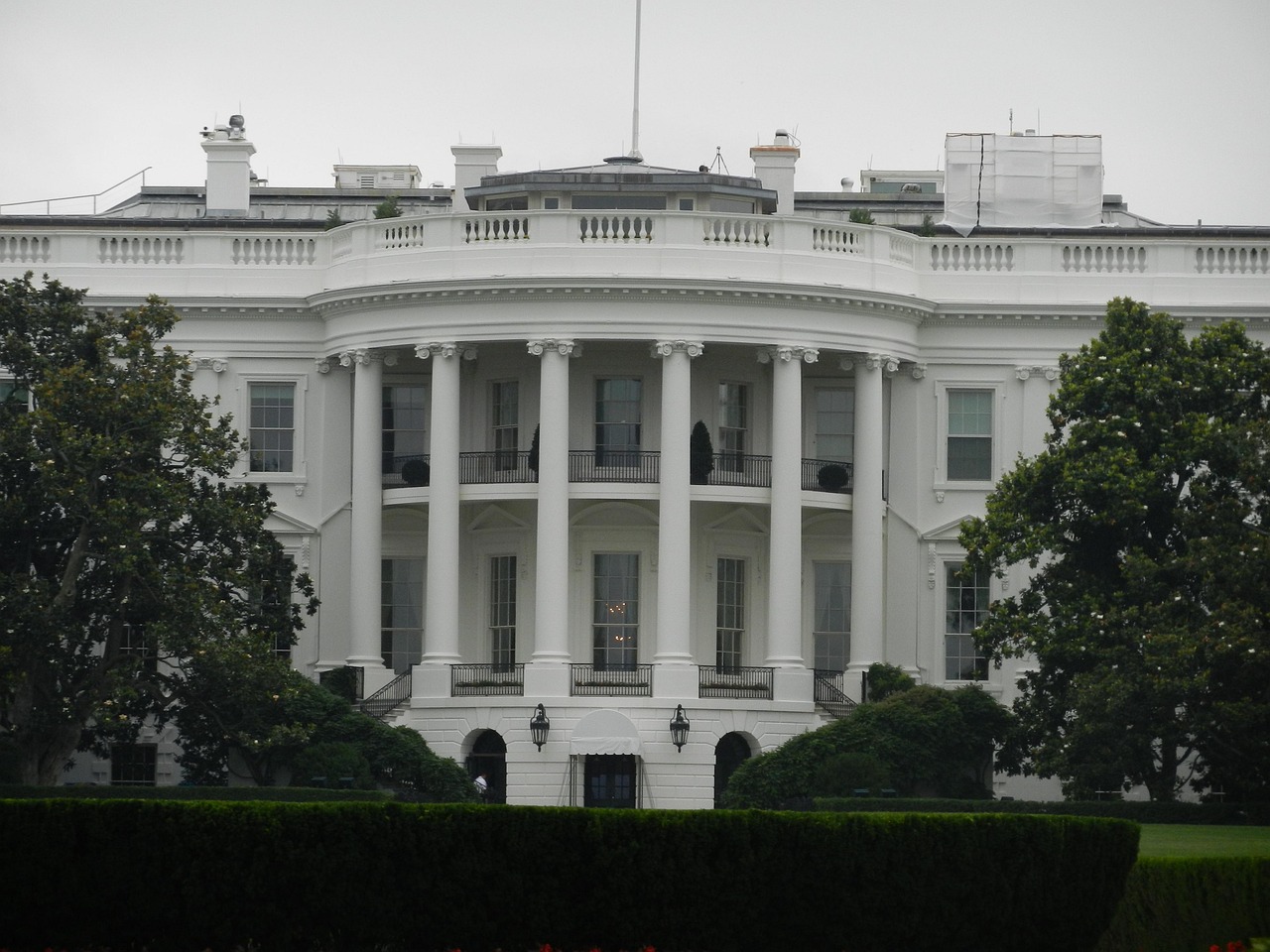
Bureaucratic Politics and Belief Systems in the Bush Administration
By Dr Sharifullah Dorani* Introduction The presidential candidate, George W. Bush, in 2000, was not someone who knew about the outside world, nor did he seem to be interested in it. He had barely travelled outside America, did not read about other countries, and knew no foreign leaders. During his election campaign, he did…
-
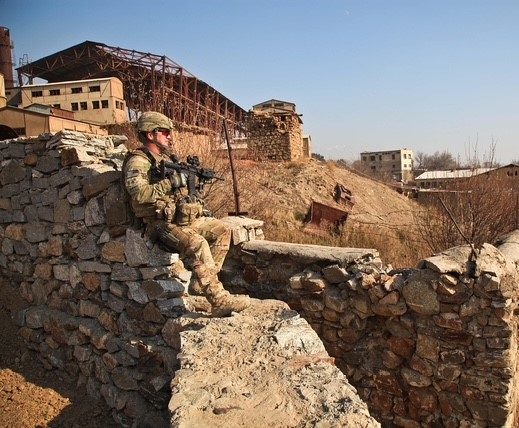
The Policy Assumptions Behind Bush’s War on Terror
By Dr Sharifullah Dorani* ‘[T]he nature of the response [to 9/11] was also shaped by some deeply embedded assumptions and beliefs within the administration about foreign policy and the appropriate role of the military.’[1] Introduction The September 11, 2001, terrorist attacks prompted the George W Bush administration to initiate the Global War on Terror…
-
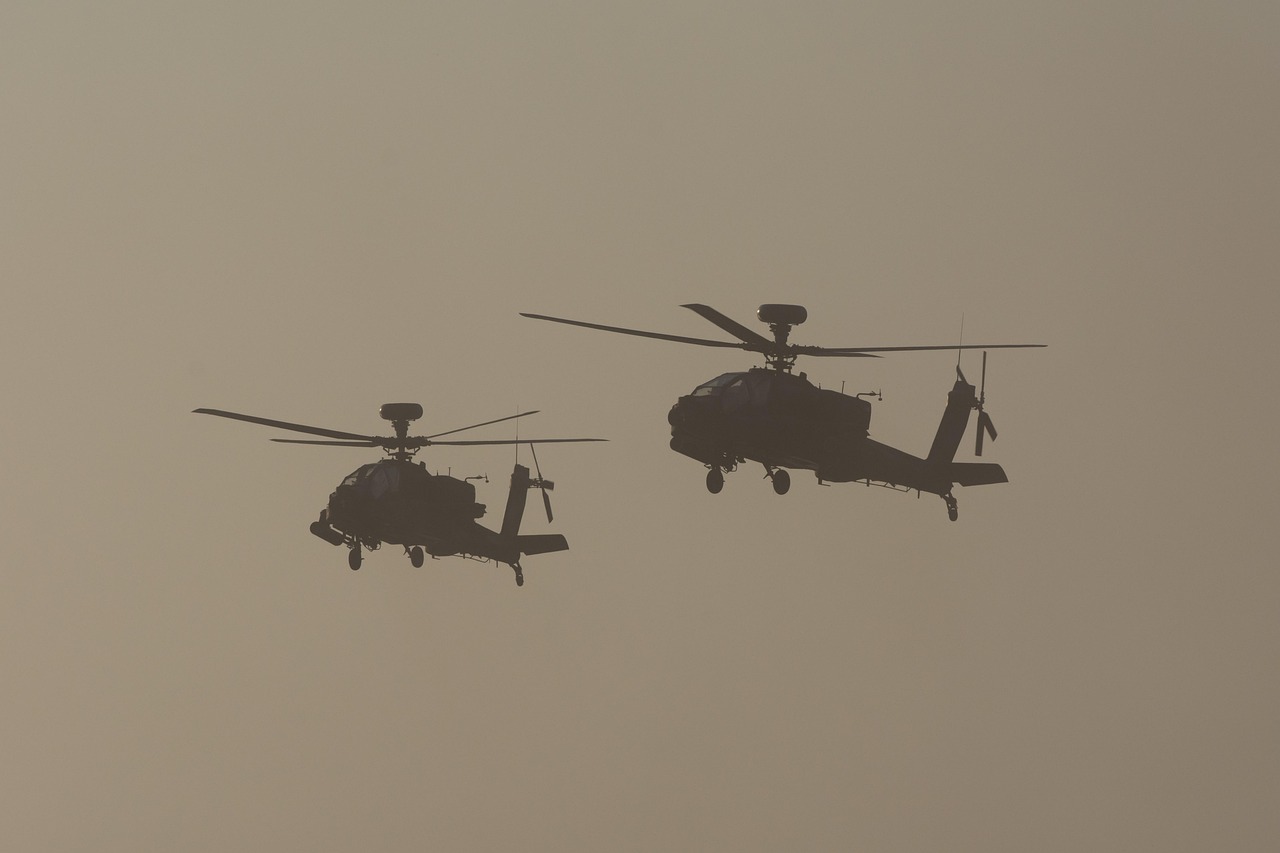
How the 2002 NSC Defined America’s Afghan Strategy
By Dr Sharifullah Dorani* Introduction After the Taliban was defeated and al Qaeda was on the run, the National Security Council (NSC) of the George W Bush Administration held a meeting in February 2002 in the White House Situation Room to discuss their Afghan strategy. The meeting resulted in the making of the counterterrorism…
-

Iraq War’s Impact on Afghanistan and Bush War Cabinet
By Dr Sharifullah Dorani* ‘I have a real concern that given our preoccupation in Iraq, we’ve not devoted sufficient troops and funding to Afghanistan to ensure success in that mission….Afghanistan has been the forgotten war.’ President George W Bush[1] Introduction As studied in my other article,[2] the Global War on Terror (GWOT), which the…