
Reviewer: Carter Malkasian
Original Publication: The Strategy Bridge
Publication Date: 21 October 2019
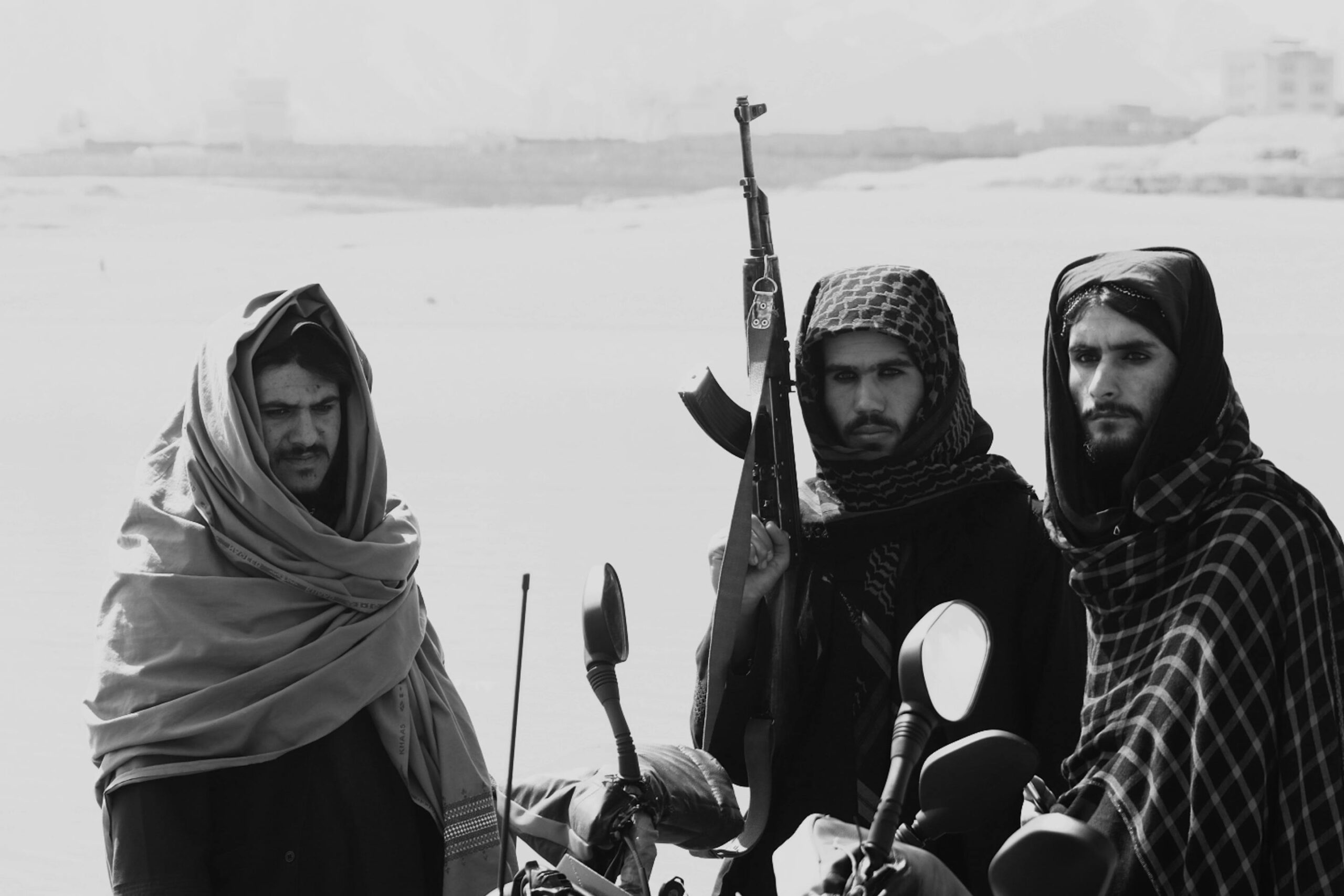
Photo Credit: Zarif Amir/ Pexels
External Review
This review of America in Afghanistan: Foreign Policy and Decision Making from Bush to Obama to Trump by Sharifullah Dorani was originally published as an independent assessment. A concise excerpt and summary are presented here for readers of this website.
Key Comment
“Dorani brings an invaluable Afghan perspective to the central question of how US policy unfolded in Afghanistan, offering insights few others can match.”
Summary of the Review
Carter Malkasian presents America in Afghanistan as a concise and illuminating study of how three US administrations—those of George W Bush, Barack Obama, and Donald Trump—shaped American policy during the long Afghan conflict. He praises the book for bringing together major strategic decisions into a single narrative enriched by the author’s personal experience and extensive research.
An Informed Afghan Perspective
Malkasian highlights Dorani’s Kabul upbringing during the Soviet and civil war periods, his academic work at Durham University, and his decade of field research. This background gives the book a grounded, localised understanding of Afghan political culture and everyday realities, distinguishing it from literature focused mainly on battlefield accounts.
Understanding U.S. Decision Making
The review notes that Dorani examines how personality, domestic politics, ideology, and competing national priorities shaped American policy over nearly two decades. He reflects on how a complex country was approached from Washington and how assumptions sometimes clashed with realities on the ground.
State-Building and Governance
Malkasian summarises Dorani’s view that long-term stability depended on strengthening Afghan state institutions, especially the civil service, army, and police. The review emphasises the book’s argument that consistent international support for governance reform—particularly under leaders such as Ashraf Ghani—was essential for creating security and restoring public confidence.
Regional Context
The reviewer notes that Dorani acknowledges external influences without overemphasising them. Regional dynamics are presented as part of a broader set of challenges confronting US policymakers, not as the dominant explanation for events.
Afghan Voices and Local Realities
One of the strengths Malkasian identifies is Dorani’s use of conversations with Afghans from varied backgrounds. These accounts illuminate how ordinary people understood corruption, insecurity, patronage, and shifting political alliances. They also reveal the frustrations many felt regarding how international decisions affected daily life.
Final Reflections
Malkasian concludes that Dorani’s most striking insight lies in recognising that Afghanistan’s long-term peace ultimately depends on Afghans themselves. While Western support played an important role, he notes Dorani’s perspective that enduring stability requires the reduction of foreign military presence and the empowerment of Afghan institutions and communities.
⸻
➡Read the full review: Reviewing America in Afghanistan
*Dr Sharifullah Dorani holds a PhD from Durham University on America’s Afghanistan War, a Master of Laws from University College London, and a degree in law from the University of Northampton, all in the UK. He is the author of numerous scholarly articles and two acclaimed books: The Lone Leopard, a novel set in Afghanistan, and America in Afghanistan, published by Bloomsbury Publishing. He is the founder of CEPSAF and serves as the South Asia and Middle Eastern Editor at CESRAN International. All of Dr Dorani’s work is written to the highest academic standards and is widely indexed through Google Scholar.